
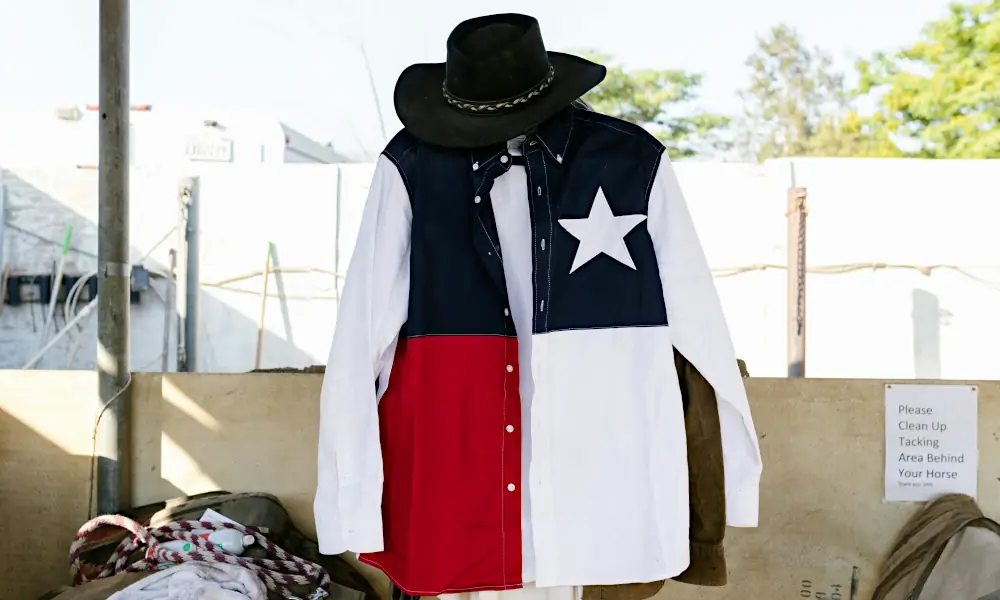
Southern etiquette is more than just saying “yes ma’am” or holding the door open, it’s a deeply rooted way of life that blends tradition, respect, and hospitality. Known for its emphasis on kindness and social grace, southern etiquette continues to shape personal interactions in the American South today.
From how to greet others to hosting formal events, understanding southern manners and etiquette offers valuable insights into timeless civility and charm.
Table of Contents
What Is Southern Etiquette?
Southern etiquette refers to the cultural norms, social manners, and respectful behaviors traditionally practiced in the southern United States. These customs are passed down through generations and reflect a lifestyle that prioritizes courtesy, humility, and graciousness.
Beyond surface-level politeness, southern etiquette emphasizes how people make others feel. It values warmth over efficiency, tact over bluntness, and relationships over convenience. Everyday interactions are shaped by an unspoken expectation to be considerate, patient, and generous with time and attention. Whether in a formal setting or a casual exchange, southern etiquette encourages people to lead with kindness and avoid behavior that might cause discomfort or embarrassment to others.
Key elements of southern etiquette include:
- Using polite titles such as sir, ma’am, Miss, or Mr., especially with elders
- Always saying please, thank you, and you’re welcome
- Being a courteous and attentive host as well as a respectful guest
- Dressing appropriately for the occasion and setting
- Showing deference to elders and authority figures
- Avoiding public confrontation or harsh criticism
- Making an effort to acknowledge everyone in social settings
These values are often taught early in life and continue to influence how southerners navigate both personal and professional relationships.
Southern Etiquette Rules to Know
Southern etiquette rules serve as social guidelines rather than rigid commands. They are rooted in the idea that good manners create harmony and make shared spaces more pleasant for everyone. While expectations may vary by family or community, these rules generally reflect a consistent emphasis on respect, self-awareness, and thoughtful behavior in everyday interactions.
To better understand southern etiquette rules, consider the following social expectations that often guide behavior in southern communities.
Common Southern Etiquette Rules
Common southern etiquette rules shape how people interact in homes, workplaces, and public spaces. These customs help establish trust, ease social exchanges, and communicate respect without needing explicit explanation. Understanding these expectations can help both lifelong southerners and visitors feel more comfortable and confident in social situations.
- Greet others warmly, using eye contact and a friendly tone
- Never arrive at someone’s home empty-handed
- Send thank-you notes for gifts, invitations, meals, and hospitality
- Avoid interrupting or speaking over others
- Offer your seat or assistance to elders and those in need
- Dress modestly and appropriately for the setting
- Refrain from discussing politics or religion at the table unless invited
- Use respectful language, even during disagreements
- Say goodbye to the host before leaving a gathering
- Avoid rushing guests or making them feel unwelcome
These practices reinforce the southern belief that courtesy should be consistent, not situational.
Southern Lady Etiquette: Grace in Action
Southern lady etiquette carries specific expectations for women in traditional southern society. While evolving over time, these customs still emphasize grace, dignity, and thoughtful behavior.
At its heart, southern lady etiquette is about composure and consideration rather than restriction. It encourages women to navigate social situations with confidence, kindness, and emotional intelligence. Modern interpretations focus less on rigid roles and more on self-respect, empathy, and the ability to handle both praise and conflict with poise.
Key elements of southern lady etiquette include:
- Sending handwritten thank-you notes when appropriate
- Practicing proper table manners in formal and informal settings
- Remaining calm and courteous under pressure
- Speaking clearly, respectfully, and with intention
- Dressing with care for the occasion without excess
- Avoiding gossip or public criticism
- Showing appreciation through small, thoughtful gestures
This approach is not about outdated gender roles but rather about carrying oneself with respect and class in all settings.
Tips for Southern Etiquette
Incorporating southern etiquette into daily life does not require grand gestures; it is built through consistent, thoughtful habits. Small acts of courtesy, when practiced regularly, reflect the deeper values behind southern manners and hospitality. These tips can help guide behavior in both familiar and unfamiliar settings.
To incorporate southern etiquette into your daily life, follow these practical tips:
- Be warm and welcoming. Greet others sincerely and make eye contact.
- Practice punctuality. Arrive on time, especially when invited to someone’s home.
- Listen more than you speak. Respectful conversation is a two-way street.
- Respect traditions. Whether it’s saying grace at dinner or attending church events, honoring local customs is a mark of good manners.
- Always offer help. From clearing the table to offering directions, southern hospitality means lending a hand.
These small actions create meaningful impressions and reflect the values behind southern manners and etiquette.
Common Southern Etiquette Mistakes to Avoid
Southern etiquette places a strong emphasis on consideration, tone, and awareness of others, so many missteps are less about breaking a rule and more about unintentionally making someone feel uncomfortable or disregarded. These mistakes are especially common among visitors or newcomers, but even lifelong southerners can slip if they are rushed or inattentive. Avoiding these pitfalls helps maintain the warmth and harmony that southern manners are meant to create.
One of the most frequent mistakes is being overly blunt or direct. In the South, politeness often softens communication, and abrupt honesty can be perceived as rude even when no offense is intended. Another common issue is declining hospitality too quickly; offers of food, drink, or help are expressions of goodwill and should be acknowledged graciously, even if politely refused. Forgetting follow-up gestures, such as thank-you notes or messages after a visit, is also widely viewed as discourteous.
Common Mistakes and Better Alternatives
Being mindful of the missteps show in the table below helps ensure that good intentions are clearly communicated through respectful behavior.
| Mistake | Why It’s a Problem | Better Approach |
|---|---|---|
| Being overly blunt or confrontational | Can seem rude or disrespectful | Use tact and gentle wording |
| Declining hospitality abruptly | May appear dismissive | Accept briefly or decline politely |
| Arriving empty-handed | Seen as inattentive | Bring a small host gift |
| Skipping thank-you notes | Suggests ingratitude | Send a prompt handwritten or thoughtful message |
| Calling elders by first name without permission | Lacks respect | Use titles unless invited otherwise |
| Rushing guests or hosts | Feels impolite | Allow time for greetings and goodbyes |
| Discussing sensitive topics casually | Can create tension | Avoid unless invited into the discussion |
Southern Etiquette for Guests and Visitors
For guests and visitors, southern etiquette centers on appreciation, attentiveness, and respect for the host’s efforts. Hospitality is taken seriously in the South, and guests are expected to respond with courtesy and gratitude rather than casual detachment. Understanding these expectations can help visitors feel more comfortable and avoid unintentionally awkward moments.
Guests should be prepared for generosity, especially around food. Refusing an offer outright may seem impolite; a gracious response is to accept a small portion or decline kindly with appreciation. Time and conversation are also valued, so arriving on time, engaging politely, and offering sincere thanks are important parts of being a good guest. When in doubt, err on the side of formality and warmth.
Helpful Guidelines for Guests and Visitors
The following guidelines are for guests and visitors to the south regions, and offer general etiquette to follow.
- Arrive on time or slightly early when invited to a home
- Bring a small gift such as flowers, dessert, or a handwritten note
- Greet everyone present, including children and elders
- Accept hospitality graciously or decline with thanks
- Wait for cues before eating, sitting, or leaving
- Offer to help, even if the offer is declined
- Thank the host before leaving and follow up afterward
Guest Situations and Appropriate Responses
For visitors, understanding that southern hospitality is an expression of care, not obligation, makes it easier to respond appropriately. When guests show appreciation and attentiveness, they honor the spirit of southern etiquette and contribute to a welcoming, respectful exchange. Here are various situations and polite responses that guests should know.
| Situation | Polite Response |
|---|---|
| Offered food or drink | Accept or decline warmly with thanks |
| Staying longer than expected | Acknowledge the time and thank the host |
| Unsure how formal to be | Choose the more polite option |
| Attending a meal | Compliment the food and table |
| Leaving a gathering | Say goodbye to the host personally |
Did You Know?
Southern etiquette has been shaped by history, geography, and social tradition, resulting in customs that are both practical and symbolic. Many everyday habits have deeper cultural roots that continue to influence how people interact throughout the South.
- The concept of southern hospitality originated in early American colonial culture and became central to the social fabric of the South.
- Many southern etiquette rules are tied to Christian traditions, including gratitude, generosity, and modesty.
- The popularity of cotillions, debutante balls, and calling cards in the 19th century helped define formal southern lady etiquette.
- Offering sweet tea to guests is still seen as a symbol of welcome in many southern homes.
- Food offerings often serve as a primary expression of welcome and care.
- Politeness is often used as a way to maintain peace and avoid conflict.
Frequently Asked Questions
Southern etiquette often raises questions about relevance, inclusivity, and modern application. While rooted in tradition, these customs continue to evolve, allowing people to adapt them thoughtfully to contemporary life while preserving their core values.
Is southern etiquette still relevant today?
Yes, southern etiquette remains relevant because its foundation is respect and consideration. While certain formalities have relaxed, the underlying principles of kindness, patience, and hospitality are widely appreciated in both social and professional environments. Many people find that these practices improve communication and reduce conflict.
What are the most important southern etiquette rules?
The most important rules center on respect for others. Using polite titles, expressing gratitude, acknowledging people when entering or leaving a space, dressing appropriately, and being a gracious host or guest are widely recognized as essential. These behaviors signal thoughtfulness and social awareness.
What is the difference between southern manners and etiquette?
Southern manners typically refer to everyday behaviors, such as saying thank you or holding a door open. Southern etiquette involves more structured expectations, such as hosting customs, formal dining behavior, or proper correspondence. Manners are informal and constant, while etiquette provides guidance for specific situations.
Is southern etiquette just for women?
No. Southern etiquette applies to everyone, regardless of gender. While certain traditions historically emphasized expectations for women, modern southern etiquette focuses on mutual respect, courtesy, and responsibility across all genders.
Are southern manners based on religion?
Some southern manners are influenced by Christian values such as gratitude, humility, and generosity, but southern etiquette is not exclusive to any religion. These customs are widely practiced across diverse belief systems and are rooted more broadly in cultural tradition and community values.
How do I teach my kids southern manners?
Teaching children southern manners starts with example. Model polite behavior, encourage respectful speech, and explain why certain actions matter. Reinforce habits like saying please and thank you, making eye contact, and showing consideration for others. Consistency and positive reinforcement are key to helping these behaviors become second nature.
Conclusion
Understanding southern etiquette offers more than just insight into regional culture — it provides a timeless framework for respectful and thoughtful living. Whether you’re learning the art of southern lady etiquette, observing southern etiquette rules at a formal event, or practicing everyday southern manners, the principles remain the same: treat others with kindness, honor tradition, and lead with grace.
Explore more regional etiquette traditions from around the world.
You may also be interested in Southern Male Names With Powerful Meanings And Rich History from the Names Atlas website.