
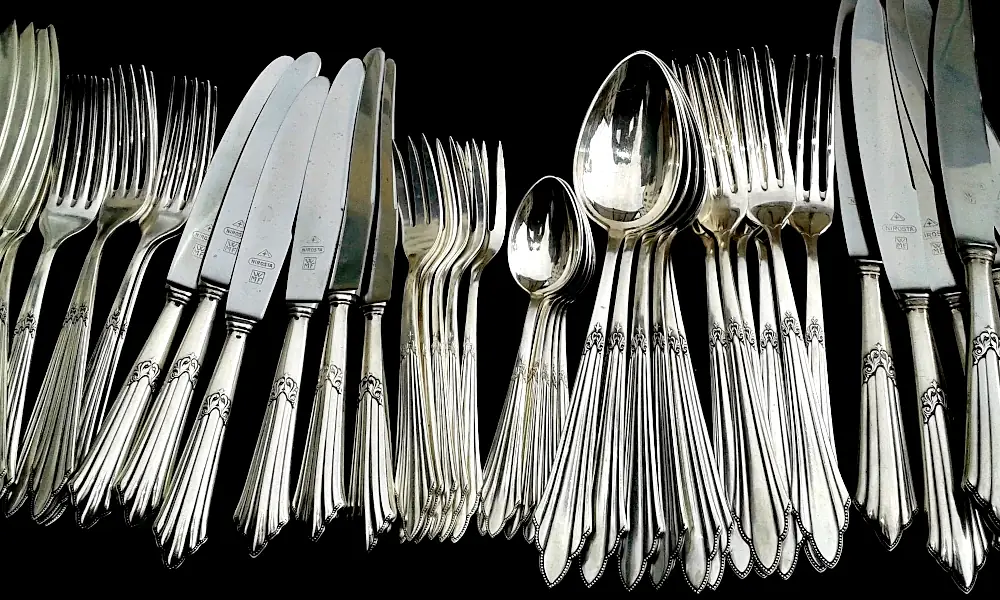
Silverware etiquette may seem like a small detail, but in formal dining and fine restaurants, your utensil use and placement speak volumes about your manners. Knowing how to place your knife and fork, signal a finished meal, or navigate multi-course settings can make any dining experience more polished and comfortable.
Table of Contents
- What Is Silverware Etiquette?
- Understanding Dining Silverware Placement
- Fine Dining Silverware Placement Rules
- Silverware and Napkin Placement
- Continental Silverware Etiquette vs. American Style
- Tips for Silverware Etiquette
- Common Silverware Etiquette Mistakes (and How to Avoid Them)
- Silverware Etiquette for Different Dining Situations
- How Servers and Hosts Interpret Silverware Signals
- Silverware Etiquette Across Cultures
- Did You Know About Silverware Etiquette?
- Frequently Asked Questions About Silverware Etiquette
- What is silverware etiquette?
- How do I signal I’m done eating?
- What’s the difference between silverware and cutlery?
- What is continental silverware etiquette?
- Where should I place my napkin during the meal?
- Is it rude to start eating before everyone is served?
- How do I use multiple forks and knives at a formal dinner?
- What should I do if I drop my silverware?
- Should my elbows be off the table when using silverware?
- How should I handle silverware when sharing dishes?
- Conclusion
What Is Silverware Etiquette?
Silverware etiquette refers to the proper use, handling, and placement of cutlery during a meal. It includes when and how to use each utensil, how to hold them correctly, and how their placement communicates with hosts and service staff.
Following proper dining silverware etiquette helps you avoid awkward missteps and shows respect for your dining companions. It also signals awareness of social norms, particularly in formal, professional, or ceremonial settings where dining behavior is closely observed.
Beyond appearances, silverware etiquette plays a practical role in how meals flow. Clear utensil use and placement help servers pace courses correctly, prevent interruptions, and ensure a smooth dining experience for everyone at the table.
Understanding Dining Silverware Placement
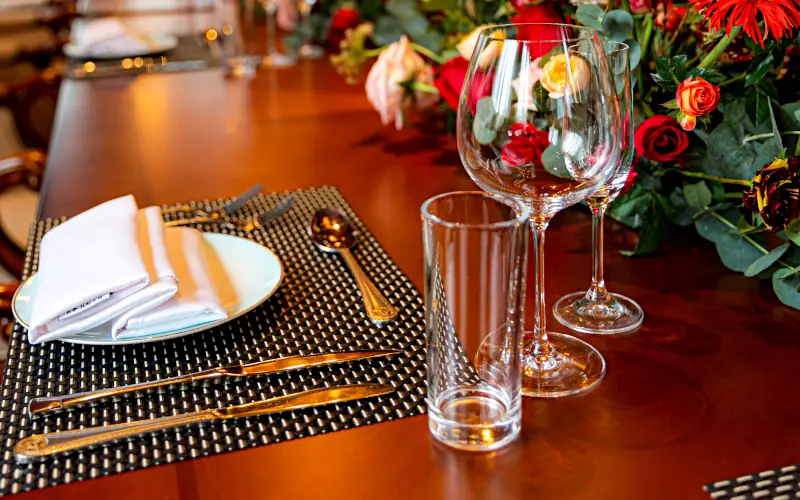
Dining silverware placement serves both an organizational and communicative function. Before a meal begins, the arrangement of utensils indicates the number of courses and the order in which they will be served. During the meal, how you place your fork, knife, and spoon sends clear signals about whether you are still eating, taking a pause, or finished. Understanding these placements reduces uncertainty, helps you follow the rhythm of formal dining, and ensures that your actions align with established dining conventions rather than guesswork.
Basic Dining Silverware Placement
A formal table setting may appear complicated at first, but it follows a logical structure designed to guide diners effortlessly through the meal. Each utensil has a designated place that corresponds to its intended use and order. The table below outlines the most common pieces of silverware and where they are typically positioned in a standard place setting, helping diners quickly orient themselves before the meal begins.
| Utensil | Placement |
|---|---|
| Fork | Left of the plate |
| Knife | Right of the plate (blade facing inward) |
| Spoon | Right of the knife |
| Dessert Spoon/Fork | Above the dinner plate |
| Napkin | On the plate or to the left of the fork |
Etiquette Silverware Placement Signals
In addition to where utensils begin, how they are positioned during and after eating carries specific meanings. These signals are widely recognized in formal dining environments and are used by servers to determine when to clear plates or pause service. The table below summarizes the most common utensil placement signals and what they communicate, allowing diners to convey their intentions clearly without speaking.
| Utensil Position | Meaning |
|---|---|
| Fork and knife in an “X” shape | Pause or still eating |
| Fork and knife parallel at 4:20 | Finished with your meal |
In cutlery etiquette finished meal signals, placing utensils together at the 4:20 clock position (fork tines up, knife blade in) is the standard way to indicate you’re done.
Fine Dining Silverware Placement Rules
Fine dining environments rely on consistency and predictability to maintain a smooth service flow. Silverware placement rules are designed to help diners navigate multiple courses without confusion while allowing staff to anticipate needs efficiently. Understanding these rules reduces hesitation, prevents the use of incorrect utensils, and ensures that each course is enjoyed as intended. These conventions also allow diners to focus on conversation and food rather than worrying about etiquette errors.
Formal meals often involve multiple courses, and silverware is placed accordingly. Always work from the outside in:
- First Course (Appetizer): Use the outermost fork and knife.
- Main Course: Use the innermost utensils closest to the plate.
- Dessert: Use utensils placed above the plate or brought later.
Proper fine dining silverware placement enhances the flow of service and helps you keep pace with the meal.
Silverware and Napkin Placement
Silverware etiquette is closely connected to proper napkin use, as both signal a diner’s level of engagement with the meal. Napkin placement communicates whether you are actively dining, temporarily away, or finished, and it should always complement utensil placement rather than contradict it.
While the focus is often on forks and knives, silverware and napkin placement are both part of the etiquette equation:
- Unfold your napkin and place it neatly on your lap shortly after sitting down.
- Use the napkin discreetly to blot your mouth, not to wipe your face or clean utensils.
- If leaving the table temporarily, place the napkin loosely on your chair rather than on the table.
- Never place a used napkin back on the plate or tuck it into the neckline.
- At the end of the meal, place the napkin loosely folded to the left of your plate, never refolded neatly or crumpled.
Continental Silverware Etiquette vs. American Style
Silverware etiquette varies slightly depending on regional dining traditions, with Continental and American styles being the most commonly referenced. While both are acceptable in many settings, understanding their differences helps diners adapt to formal occasions, international travel, and professional environments. The table below compares these two styles, highlighting how hand usage, fork position, and overall dining approach differ between them.
| Feature | Continental Style | American Style |
|---|---|---|
| Knife hand | Right | Right |
| Fork hand | Left | Left (cut) → Right (eat) |
| Eating style | Tines down, no switching hands | Tines up, switch fork to right to eat |
| Common in | Europe | North America |
Continental silverware etiquette favors efficiency, while American style reflects older traditions of grace and control.
Tips for Silverware Etiquette
Silverware etiquette is best mastered through consistent habits rather than memorizing rules for special occasions. These practical tips reinforce correct behavior across a wide range of dining situations and help ensure that your utensil use appears natural, confident, and respectful rather than forced or overly rigid.
5 Tips for Silverware Etiquette
- Don’t point with utensils or gesture while holding them.
- Avoid resting silverware on the table mid-meal, use the plate edge.
- Use serving utensils for shared dishes, never your own fork.
- Don’t lick or scrape silverware noisily.
- Wait to eat until everyone has been served and the host begins.
These silverware manners ensure a pleasant experience for everyone at the table.
Common Silverware Etiquette Mistakes (and How to Avoid Them)
Even people who understand the basics of silverware etiquette often make small mistakes that stand out in formal or professional settings. These missteps are usually not about ignorance but about habits carried over from casual dining. Being aware of them helps you dine with confidence and consistency.
One of the most common errors is placing used utensils directly on the table. Once silverware has touched food, it should remain on the plate at all times. Resting a fork or knife on the tablecloth is considered unhygienic and careless. If you need to pause during a meal, rest your utensils on the edge of the plate rather than beside it.
Another frequent mistake is gesturing with utensils while speaking. Pointing with a fork or waving a knife during conversation is distracting and impolite, especially in formal environments. When speaking, set your utensils down on your plate before engaging fully in conversation.
Using personal silverware for shared dishes is also a breach of etiquette. When serving yourself from communal plates, always use the provided serving utensils. If none are available, it is polite to ask the host rather than assume it is acceptable to use your own fork or spoon.
Cutting all of your food at once is another habit to avoid. Proper etiquette dictates cutting only one or two bites at a time. Cutting an entire steak or entrée before eating can appear rushed or overly casual, particularly at formal dinners.
Finally, incorrect signaling can confuse servers. Placing utensils randomly on the plate may unintentionally signal that you are finished when you are not. Being deliberate with utensil placement ensures smooth service and avoids awkward interruptions.
Silverware Etiquette for Different Dining Situations
Silverware etiquette is not one-size-fits-all. While the foundational rules remain consistent, expectations shift depending on the setting. Understanding these nuances helps you adapt gracefully without appearing stiff or underprepared.
At business lunches and professional dinners, etiquette leans toward formal but practical. Proper utensil use signals professionalism and respect. Avoid overly casual habits, keep movements controlled, and follow standard placement rules, especially when signaling pauses or completion. Because conversation often drives these meals, being mindful of where your utensils rest prevents confusion for servers.
Weddings and banquets typically involve plated, multi-course meals served on a schedule. In these settings, correct silverware signals are particularly important because service is timed for large groups. Guests should wait to begin eating until the couple or host has started, and finished-meal signals should be clear to avoid disrupting coordinated service.
In upscale casual or fine-casual restaurants, etiquette is slightly relaxed, but fundamentals still apply. You may not encounter multiple forks or knives, but proper handling, avoiding table placement, and polite signaling remain expected. The goal here is ease without sloppiness.
When attending a home dinner party as a guest, etiquette becomes more flexible but still respectful. Follow the host’s lead, especially if the table is set informally. Even so, keeping used utensils on your plate, using serving utensils properly, and waiting for others before starting are still considered good manners.
How Servers and Hosts Interpret Silverware Signals
Silverware placement is not only about etiquette; it is a form of communication used by servers and hosts to manage timing and flow. Understanding how your signals are interpreted helps ensure smoother service and a more enjoyable dining experience.
When utensils are crossed or positioned in a resting posture, servers typically interpret this as a pause. This tells them not to clear the plate or interrupt the diner. Incorrect placement during a pause can result in a plate being removed prematurely, which can be uncomfortable for both guest and server.
Parallel placement of fork and knife signals completion. In restaurants, this tells servers that the course is finished and the plate may be cleared. In formal dinners, hosts and event staff use these signals to coordinate the next course for the entire table.
Servers are trained to look for consistency. Utensils placed neatly and deliberately are easier to interpret than those left haphazardly. When signals are unclear, servers may hesitate or ask questions, disrupting the rhythm of the meal.
Hosts also pay attention to silverware signals when pacing a meal at home. Clear cues allow them to serve subsequent courses at the right time without making guests feel rushed or neglected. Proper placement shows consideration not just for etiquette rules, but for the people managing the dining experience.
Silverware Etiquette Across Cultures
While Western silverware etiquette is widely taught, dining customs vary significantly across cultures. Being aware of these differences is essential when traveling or dining in multicultural settings.
In many Asian cultures, forks and knives may not be used at all, with chopsticks or a fork-and-spoon combination being standard. Using a knife at the table may even feel out of place. In these settings, Western-style placement signals do not apply, and diners should follow local customs rather than default habits.
In parts of the Middle East and India, food is traditionally eaten using the right hand, sometimes with bread as a utensil. Introducing Western silverware etiquette into these meals can appear overly formal or disconnected from the cultural norm. Observing others and following their lead is considered respectful.
European dining generally aligns with Continental style, but even within Europe, expectations vary. Some countries emphasize efficiency and minimal movement, while others place greater emphasis on leisurely pacing and conversation. Understanding these subtle differences helps avoid unintentional rudeness.
In international or multicultural dining environments, flexibility is key. When in doubt, mirror the behavior of hosts or senior guests. Proper etiquette in these situations is less about rigid rules and more about cultural awareness, respect, and adaptability.
Did You Know About Silverware Etiquette?
Silverware etiquette has evolved over centuries and reflects social, cultural, and historical influences. Many modern dining rules originated as practical solutions that later became symbols of refinement and status. The facts below offer insight into how utensil etiquette developed and why certain practices remain relevant today.
- The placement signal for “I am finished” comes from 19th-century European court dining traditions.
- Dining silverware etiquette was once used to distinguish social classes in both Europe and early America.
- In some royal households, using the wrong fork for a course could mark you as uncultured.
- The term cutlery is more common in the UK, while silverware is more common in the US, even when it’s not made of silver.
Frequently Asked Questions About Silverware Etiquette
Silverware etiquette can feel complex, especially in unfamiliar dining situations. This section addresses common questions and clarifies practical concerns, helping diners apply etiquette rules confidently rather than relying on assumptions or outdated advice.
What is silverware etiquette?
Silverware etiquette is the set of guidelines governing how utensils are used, held, and placed during a meal. It covers everything from selecting the correct utensil for each course to signaling pauses and completion. These rules promote cleanliness, courtesy, and smooth interaction between diners and service staff.
How do I signal I’m done eating?
To indicate that you have finished a course, place your fork and knife parallel to each other on the plate, typically at the 4:20 position. The fork tines should face upward, and the knife blade should face inward. This clear signal tells servers that your plate may be removed.
What’s the difference between silverware and cutlery?
The terms refer to the same eating utensils, but usage varies by region. “Silverware” is more commonly used in American English, even when utensils are made of stainless steel. “Cutlery” is more common in British English and internationally and refers broadly to knives, forks, and spoons.
What is continental silverware etiquette?
Continental silverware etiquette involves holding the fork in the left hand and the knife in the right throughout the meal. Food is brought to the mouth with the fork tines facing downward, and hands are not switched. This style emphasizes efficiency and minimal movement.
Where should I place my napkin during the meal?
Place your napkin on your lap shortly after sitting. If you leave the table briefly, set it on your chair. When the meal ends, place the napkin loosely to the left of your plate. Avoid placing it on the plate or folding it neatly, as this signals the meal is over.
Is it rude to start eating before everyone is served?
In formal and professional settings, it is considered impolite to begin eating before everyone at the table has been served and the host has started. In informal settings, this rule may be relaxed, but waiting is still seen as courteous.
How do I use multiple forks and knives at a formal dinner?
Begin with the outermost utensils and work inward with each course. Each set of silverware corresponds to a specific course, so there is no need to rearrange utensils. If unsure, follow the pace and actions of the host or other guests.
What should I do if I drop my silverware?
If you drop a utensil during a formal meal, do not pick it up yourself. Politely signal a server or host, who will replace it with a clean one. This prevents disruption and maintains hygiene standards.
Should my elbows be off the table when using silverware?
During active eating, elbows should generally remain off the table to allow free movement and avoid crowding others. Between courses or during conversation, resting forearms lightly on the table is acceptable in many modern dining settings.
How should I handle silverware when sharing dishes?
Always use the provided serving utensils for shared dishes. If none are available, ask the host before serving yourself. Never use personal silverware to serve communal food, as it is considered unhygienic and discourteous.
Conclusion
Mastering silverware etiquette not only shows that you respect those around you but also helps you feel more confident at formal events and dinners. From dining silverware placement to continental silverware etiquette, understanding these small but significant rules can elevate your dining presence.
Whether you’re attending a business lunch or a wedding reception, polished silverware manners are always in style.
Explore more table manners in our Dining category.