
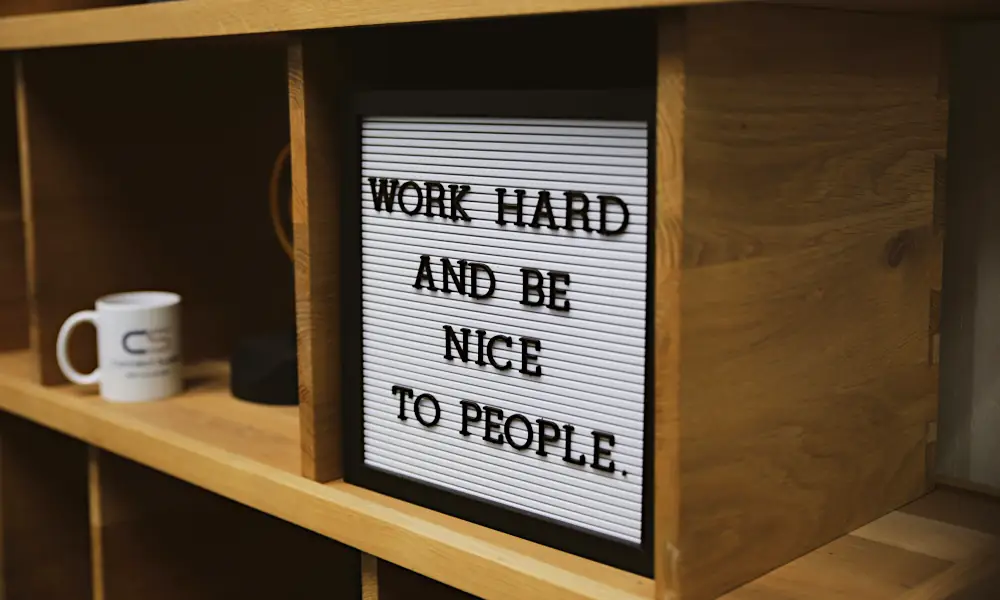
Office etiquette is more than just being polite, it sets the tone for a respectful, efficient, and collaborative work environment. Practicing proper etiquette in the office ensures smooth interpersonal relationships and reflects your professionalism in any workplace setting. Whether you’re navigating shared spaces or sending emails, understanding workplace etiquette helps foster a positive culture and avoid unnecessary friction.
Table of Contents
- What Is Office Etiquette?
- Core Office Etiquette Guidelines
- Tips for Office Etiquette
- Office Etiquette in Hybrid and Remote Work Environments
- Email, Chat, and Digital Communication Etiquette at Work
- Handling Conflict, Feedback, and Difficult Situations Professionally
- Office Etiquette for New Employees and Career Growth
- Did You Know?
- Frequently Asked Questions About Office Etiquette
- What is the difference between office etiquette and workplace etiquette?
- Why is office etiquette important?
- How can I improve my office manners and etiquette?
- What are some common office etiquette mistakes to avoid?
- How should I handle etiquette in a hybrid or remote workplace?
- Does office etiquette apply to managers and leadership?
- What are some common office etiquette rules I should know?
- What are some examples of breakroom etiquette?
- How do I handle office phone calls professionally?
- Are there specific rules for cubicle office etiquette?
- Conclusion
What Is Office Etiquette?
Office etiquette refers to the set of unspoken but widely accepted rules and behaviors that guide professionalism and courtesy in the workplace. These include everything from punctuality and communication to cleanliness and cooperation in shared areas like breakrooms and cubicles.
Understanding office etiquette rules is vital for maintaining a productive and respectful environment. Practicing professional workplace etiquette demonstrates integrity, builds trust, and contributes to a smoother workflow for everyone.
Core Office Etiquette Guidelines
Core office etiquette guidelines provide a practical framework for day-to-day behavior that supports productivity, mutual respect, and smooth collaboration. These guidelines go beyond basic politeness and help employees navigate shared spaces, communication norms, and professional boundaries with confidence. Understanding and applying them consistently reduces misunderstandings, minimizes distractions, and contributes to a workplace culture where people can focus on their work without unnecessary friction.
Respect Personal Space
Respecting personal space is essential in offices where people work in close proximity, whether in open-plan layouts, cubicles, or shared offices. Being mindful of physical and visual boundaries helps colleagues feel comfortable and respected, which directly impacts focus and morale. The following practices outline common ways to maintain appropriate personal space in the workplace.
- Avoid leaning over someone’s desk or screen without permission.
- Knock, message, or announce yourself before entering another person’s workspace.
- Keep a reasonable distance during conversations, especially in confined areas.
- Refrain from touching others’ belongings or equipment without asking.
- Use headphones for music, videos, or calls to reduce noise intrusion.
Practice Breakroom Etiquette
Breakrooms are communal spaces, and etiquette here reflects consideration for everyone who uses them. Poor habits in shared kitchens and lounges can quickly lead to frustration and conflict. Following basic breakroom etiquette keeps the space clean, functional, and pleasant for all employees.
- Wash or load your dishes promptly instead of leaving them in the sink.
- Label personal food items clearly and respect others’ property.
- Clean up spills, crumbs, or messes immediately after use.
- Dispose of expired food from shared refrigerators when appropriate.
- Be mindful of strong-smelling foods that may linger in the space.
Communicate Professionally
Professional communication sets the tone for workplace relationships and collaboration. Whether communication is written or spoken, clarity, respect, and appropriateness are key. Practicing good communication etiquette helps prevent misunderstandings and ensures messages are received as intended.
- Use clear, courteous language in emails, chats, and conversations.
- Be mindful of tone, especially in written communication where intent can be misread.
- Avoid slang, sarcasm, or overly casual expressions in professional contexts.
- Respond within a reasonable timeframe, even if only to acknowledge receipt.
- Practice good phone etiquette by speaking clearly and minimizing background noise. Read our full guide on Phone Etiquette »
Follow Office Etiquette Rules for Meetings
Meetings are a shared investment of time, making etiquette especially important. Professional conduct during meetings shows respect for colleagues and helps meetings stay productive and focused. These guidelines apply to both in-person and virtual meetings.
- Arrive on time and come prepared with necessary materials.
- Allow others to finish speaking before responding or offering opinions.
- Stay engaged and avoid multitasking or side conversations.
- Mute microphones when not speaking in virtual meetings.
- Keep comments relevant and concise to respect time constraints.
Be Aware of Cubicle Office Etiquette
Cubicle environments require heightened awareness of sound, movement, and visibility. Small behaviors can have an outsized impact on coworkers’ ability to concentrate. Practicing good cubicle etiquette helps maintain a calm and respectful atmosphere.
- Avoid using speakerphone or playing audio aloud.
- Keep personal calls brief and discreet.
- Maintain a clean and organized workspace to reduce visual clutter.
- Lower your voice during conversations, even informal ones.
- Be mindful of frequent interruptions, especially during focused work periods.
Tips for Office Etiquette
Strong office etiquette is built through consistent habits rather than one-time actions. These tips help reinforce professionalism across different roles, seniority levels, and work environments. Applying them daily supports better working relationships and demonstrates reliability and self-awareness.
Improve your workplace conduct with these practical tips:
- Observe first: Take note of company culture and adapt to it.
- Use neutral greetings: “Good morning” or “Hello” works across teams and roles.
- Respect break times: Avoid interrupting colleagues during lunch or personal time.
- Offer help: If you see someone overwhelmed, lend a hand when appropriate.
- Dress appropriately: Follow the company dress code, even in hybrid or remote roles.
Office Etiquette in Hybrid and Remote Work Environments
Hybrid and remote work environments come with fewer visual cues and more reliance on trust, making etiquette especially important. Professional behavior in these settings focuses on reliability, clear communication, and respect for boundaries rather than physical presence. Employees are generally expected to be responsive during agreed working hours, meet deadlines consistently, and communicate availability clearly to avoid confusion or delays.
Availability, Scheduling, and Boundaries
In hybrid and remote roles, being “available” does not mean being online at all times. Good etiquette involves setting clear working hours, updating shared calendars, and using status indicators accurately. If you step away, communicate this in advance when possible. Respect others’ schedules by avoiding last-minute meeting requests and by being mindful of time zones when working with distributed teams.
Virtual Meeting Conduct
Video and audio meetings require their own set of professional norms. Join meetings on time, test your technology beforehand, and mute yourself when not speaking to reduce background noise. If cameras are expected, ensure your background and appearance are appropriate. Avoid multitasking, as it signals disengagement and can undermine collaboration.
Email, Chat, and Digital Communication Etiquette at Work
Digital communication is now the backbone of most workplaces, and poor habits can quickly damage professionalism. Clear, respectful, and intentional communication helps prevent misunderstandings and keeps workflows efficient. Choosing the right channel for the message is often as important as the message itself.
Professional Email Practices
Emails should be concise, well-structured, and purposeful. Use clear subject lines, polite greetings, and complete sentences. Avoid unnecessary urgency, excessive formatting, or emotional language. Proofreading before sending is essential, especially for external or sensitive messages. Knowing when to copy others and when to keep correspondence private reflects strong judgment.
Chat and Messaging Platform Etiquette
Workplace chat tools are convenient but can easily become disruptive. Messages should be brief, relevant, and respectful of others’ focus time. Avoid sending non-urgent messages outside normal work hours unless expectations allow it. When a discussion becomes complex or lengthy, transitioning to a call or email is often more effective and professional. Also see our article Texting Etiquette Made Easy: What You Need to Know for more information on proper texting etiquette.
Handling Conflict, Feedback, and Difficult Situations Professionally
Conflict and feedback are unavoidable in professional settings, and how they are handled often matters more than the issue itself. Office etiquette in these situations centers on respect, emotional control, and a focus on solutions rather than blame.
Addressing Disagreements Respectfully
When disagreements arise, raise concerns calmly and privately whenever possible. Focus on facts, impact, and desired outcomes instead of personal criticism. Allow others to explain their perspective fully before responding. Maintaining a composed tone helps preserve working relationships even when opinions differ.
Giving and Receiving Feedback
Professional feedback should be specific, constructive, and timely. When giving feedback, frame it around behaviors and outcomes rather than personality traits. When receiving feedback, listen without interrupting, ask clarifying questions, and avoid becoming defensive. Acknowledging feedback graciously demonstrates maturity and professionalism, even when you disagree.
Office Etiquette for New Employees and Career Growth
Office etiquette plays a significant role in how new employees are perceived and how careers progress over time. Early impressions are often shaped by everyday behaviors, not just job performance. Understanding and adapting to workplace norms helps build credibility and trust.
Navigating the First Weeks on the Job
New employees benefit from observing workplace culture before asserting preferences or changing routines. Pay attention to communication styles, meeting dynamics, and decision-making processes. Asking thoughtful questions, being punctual, and following through on commitments signals reliability and respect.
Using Etiquette to Support Long-Term Career Success
Consistent professional behavior strengthens relationships and supports career advancement. Showing consideration for colleagues’ time, communicating clearly, and handling challenges diplomatically builds a reputation for dependability and leadership potential. Over time, strong office etiquette becomes a differentiator that supports promotions, collaboration, and influence within the organization.
Did You Know?
Office etiquette continues to evolve as workplaces change, especially with the rise of hybrid and remote work. Understanding where these norms come from and how they impact modern offices provides useful context for why etiquette still matters. The following points highlight lesser-known facts and trends related to workplace behavior.
- The concept of professional etiquette dates back centuries but has adapted to include digital communication and virtual meetings.
- Studies consistently show that poor workplace behavior negatively affects morale and productivity.
- Open office designs have increased the importance of noise control and visual boundaries.
- Email and chat etiquette are now considered core professional skills, not optional extras.
Frequently Asked Questions About Office Etiquette
Office etiquette often raises practical questions, especially as workplaces become more diverse and flexible. This section addresses common concerns and clarifies expectations so employees can navigate professional settings with greater confidence.
What is the difference between office etiquette and workplace etiquette?
Office etiquette typically refers to behavior in a physical office environment, such as shared spaces and in-person interactions. Workplace etiquette is broader and includes remote, hybrid, and digital work environments, covering online communication and virtual collaboration as well.
Why is office etiquette important?
Office etiquette promotes respect, reduces conflict, and supports productivity. When employees follow shared norms, it creates a predictable and comfortable environment where people can focus on their work rather than interpersonal issues.
How can I improve my office manners and etiquette?
Improvement starts with awareness. Observe workplace norms, ask questions when unsure, and be open to feedback. Simple habits like punctuality, polite communication, and respecting shared spaces make a noticeable difference.
What are some common office etiquette mistakes to avoid?
Common mistakes include interrupting others, ignoring emails or messages, leaving shared spaces messy, speaking too loudly, and using unprofessional language. Being mindful of these behaviors helps prevent unnecessary tension.
How should I handle etiquette in a hybrid or remote workplace?
In hybrid or remote settings, etiquette focuses on clear communication, respecting schedules, and being responsive without overstepping boundaries. Updating availability, joining meetings prepared, and choosing appropriate communication channels are key.
Does office etiquette apply to managers and leadership?
Yes. Managers are often held to a higher standard because their behavior sets expectations for the team. Practicing strong etiquette builds trust, reinforces professionalism, and models appropriate conduct for others.
What are some common office etiquette rules I should know?
- Knock before entering.
- Avoid interrupting.
- Don’t microwave smelly food in the breakroom.
- Keep noise and clutter to a minimum.
What are some examples of breakroom etiquette?
Clean up after yourself, avoid strong-smelling foods, label your items, and refill shared supplies like coffee or napkins if you use the last of them.
How do I handle office phone calls professionally?
Use a polite greeting, speak clearly, and don’t multitask while on the call. Learn more in our Phone Etiquette blog post.
Are there specific rules for cubicle office etiquette?
Yes, keep phone calls brief, avoid loud typing, and respect visual and auditory boundaries.
Conclusion
Practicing good office etiquette benefits not just your personal reputation, but the overall workplace environment. From managing shared spaces to maintaining professionalism in communication, these small actions reflect respect and consideration for those around you.
Explore more tips on respectful conduct in the Workplace Etiquette category to strengthen your professionalism every day.