
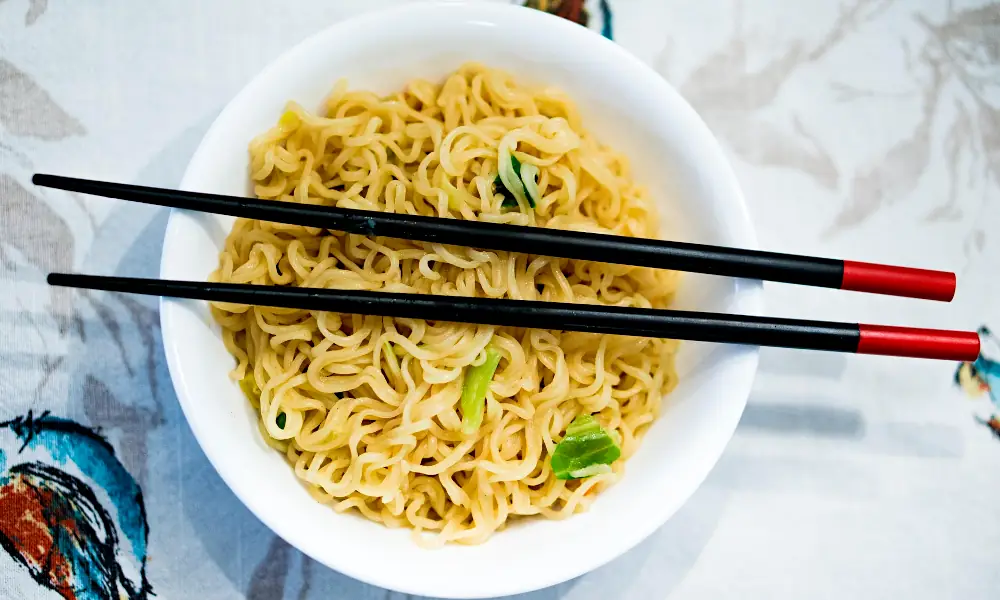
Chopstick etiquette is an essential part of dining culture in many Asian countries. Whether you’re eating sushi in Japan or noodles in China, knowing how to use chopsticks respectfully shows cultural awareness and good manners. This guide walks you through chopstick table manners, common do’s and don’ts, and how to handle chopsticks properly throughout a meal.
Table of Contents
- What Is Chopstick Etiquette?
- Common Chopstick Manners Everyone Should Know
- Proper Chopstick Technique and Placement
- Japanese vs. Chinese Chopstick Etiquette
- Tips for Chopstick Etiquette
- Cultural Meaning and Symbolism Behind Chopstick Etiquette
- Common Chopstick Mistakes Foreigners Make (and How to Fix Them)
- Chopstick Etiquette in Shared and Family-Style Meals
- Chopstick Etiquette Across Different Asian Cultures
- Did You Know About Chopstick Etiquette?
- Frequently Asked Questions About Chopstick Etiquette
- Can you pass food with chopsticks?
- Is it rude to lick your chopsticks?
- Should I rub chopsticks together?
- How do I place chopsticks after eating?
- Are there rules for chopsticks in Korean culture?
- Can I use chopsticks to move plates or bowls?
- Is it acceptable to hold chopsticks while talking?
- What should I do if I make a chopstick mistake?
- Conclusion
What Is Chopstick Etiquette?
Chopstick etiquette refers to the formal and informal rules for using chopsticks politely while dining. These customs vary slightly between countries, but the core principles are the same, show respect, maintain cleanliness, and avoid gestures considered rude or disrespectful.
Beyond basic manners, chopstick etiquette also reflects how diners interact with food, shared dishes, and one another. Proper use demonstrates patience, self-control, and awareness of social context, especially in group meals. It also helps prevent discomfort for others at the table by keeping eating orderly and hygienic. Learning these rules is less about perfection and more about understanding the values behind them, such as respect for tradition, appreciation of the meal, and consideration for fellow diners.
Common Chopstick Manners Everyone Should Know
Good chopstick manners help maintain harmony at the table and prevent actions that may be distracting or offensive. Many of these rules apply across multiple cultures and are especially important when dining with others or in formal settings. Observing them shows that you are mindful of shared customs rather than focused only on your own meal.
Below is a list of essential chopstick manners that every diner should be aware of. These rules cover both symbolic taboos and everyday behaviors that affect how others perceive your table manners.
- Never stick chopsticks upright in rice, as this resembles funeral rituals.
- Avoid passing food directly from chopstick to chopstick.
- Do not point, gesture, or wave chopsticks while speaking.
- Avoid rubbing chopsticks together, which can imply poor-quality utensils.
- Do not stab food or use chopsticks like spears.
- Avoid digging through shared dishes to find preferred pieces.
- Keep chopsticks off the table surface when not in use by placing them neatly.
- Do not hold chopsticks while talking for long periods without eating.
Proper Chopstick Technique and Placement
Using chopsticks correctly is not only about politeness but also about control and comfort while eating. Proper technique helps prevent dropped food, awkward movements, and unnecessary noise at the table. Placement, both during and after the meal, signals whether you are still eating or have finished, making it an important nonverbal cue.
Learning proper technique involves understanding how chopsticks move together, how they rest when not in use, and how they should be positioned between bites. These habits contribute to a smoother dining experience and demonstrate respect for the meal and those dining with you.
How to Hold Chopsticks Correctly
Holding chopsticks properly allows for precise movement and reduces strain on your fingers. Correct grip also signals familiarity with dining customs and avoids the appearance of clumsiness, especially in formal settings.
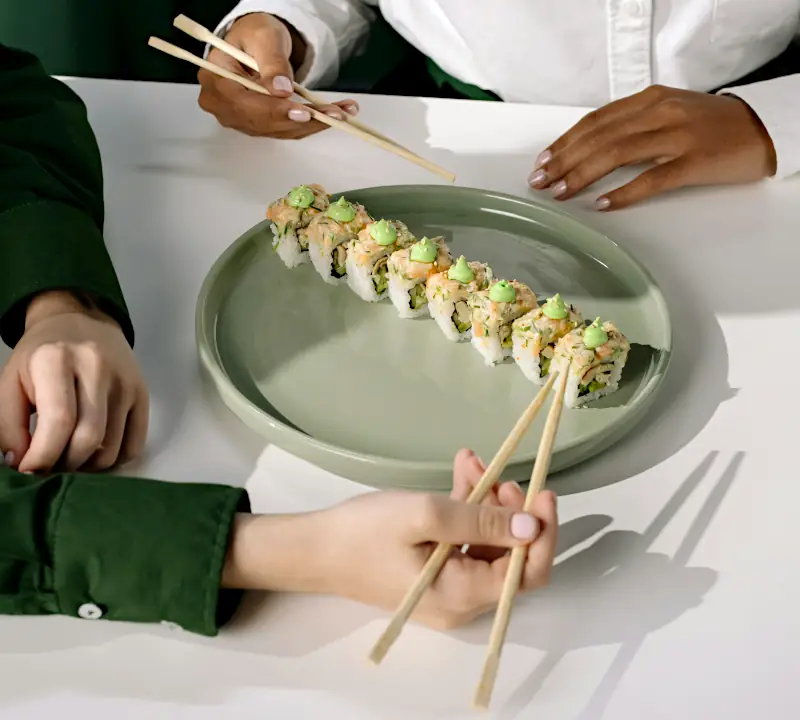
The lower chopstick should remain mostly stationary, supported by the ring finger and the base of the thumb. The upper chopstick is controlled by the index and middle fingers, moving up and down to grasp food. A relaxed grip is key; squeezing too tightly limits control and makes movements appear stiff. Practicing with small or slippery foods can help improve coordination and confidence.
Mastering proper chopstick technique helps prevent clumsiness and signals good etiquette. Here’s a basic guide:
- Hold the lower chopstick stationary, resting it on your ring finger and thumb base.
- Grip the upper chopstick like a pencil using your index and middle fingers.
- Practice picking up small items for better control.
Chopstick Etiquette After a Meal
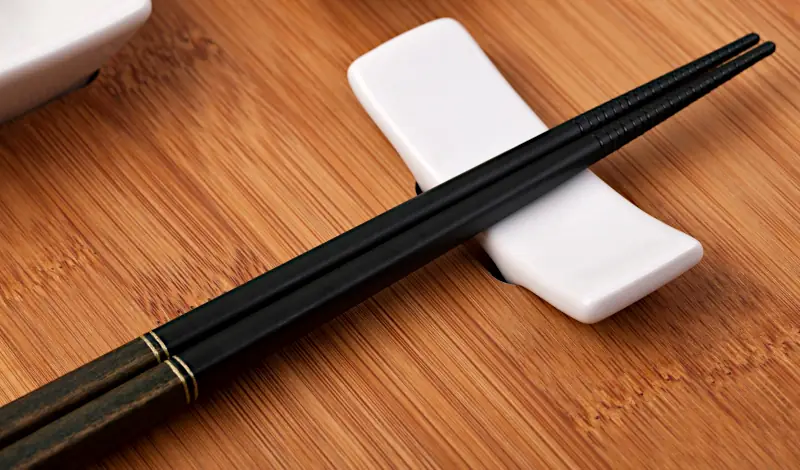
When finished eating, place your chopsticks neatly across the bowl or rest them on a chopstick holder. Never lay them across your plate or table, and don’t stick them into food.
In addition, chopsticks should be placed parallel to one another, with the tips facing left or toward the center of the table, depending on local custom. This placement clearly signals that you have finished eating. If a chopstick rest is provided, using it properly helps keep the table clean and organized. Leaving chopsticks crossed or scattered can appear careless and may suggest impatience or lack of attention to etiquette.
Japanese vs. Chinese Chopstick Etiquette
While Japanese and Chinese chopstick etiquette share many similarities, there are important differences influenced by cultural values and dining styles. Understanding these distinctions helps diners adjust their behavior depending on the setting and avoid unintentionally disrespectful actions.
Japanese etiquette tends to emphasize symbolism, precision, and formal placement, whereas Chinese etiquette often prioritizes practicality during shared meals. Being aware of these differences allows diners to adapt smoothly and shows cultural sensitivity rather than assuming a single universal standard.
Japanese Chopstick Etiquette
Japanese chopstick etiquette is highly detailed and closely tied to symbolic meaning. Proper placement, restrained movement, and careful handling are all important elements.
The list below highlights key practices specific to Japanese dining culture that go beyond general chopstick rules.
- Always use a chopstick rest (hashioki) when provided.
- Use the opposite end of your chopsticks when taking food from shared plates.
- Avoid licking, biting, or sucking on chopsticks.
- Do not cross chopsticks when setting them down.
- Avoid hovering chopsticks over dishes while deciding what to take.
- Return disposable chopsticks to their wrapper neatly after use.
Chinese Chopsticks Etiquette
Chinese chopstick etiquette reflects the communal nature of many meals, where multiple dishes are shared among diners. Chopsticks are often longer and used more actively, but politeness and moderation remain important.
Below are common Chinese chopstick rules that help maintain order and respect during shared dining.
- Do not stab food with chopsticks.
- Avoid tapping bowls or plates, which is considered rude.
- Keep chopsticks parallel and tidy when resting them.
- Take food from the portion closest to you on shared plates.
- Do not use chopsticks to rummage through dishes.
- Avoid holding chopsticks vertically while talking.
Tips for Chopstick Etiquette
Developing good chopstick etiquette takes practice, observation, and patience. Small habits, such as how you pause between bites or how you handle shared dishes, can significantly affect how your manners are perceived.
The following tips focus on practical ways to improve your chopstick etiquette and build confidence in a variety of dining situations.
- Practice proper technique at home to build muscle memory.
- Observe how locals handle chopsticks when unsure.
- Keep movements controlled and deliberate.
- Use serving utensils whenever they are provided.
- Avoid multitasking, such as using your phone while holding chopsticks.
- Adjust your pace to match the group rather than eating too quickly.
Cultural Meaning and Symbolism Behind Chopstick Etiquette
Chopstick etiquette is deeply rooted in cultural values that emphasize respect, cleanliness, and mindfulness while eating. In many East Asian cultures, dining is not just about nourishment but also about honoring tradition, the people you eat with, and the food itself. Chopsticks are treated as personal eating tools rather than casual utensils, which is why how they are handled, placed, and used carries social meaning.
Many taboos associated with chopsticks originate from religious practices and funeral customs. Actions such as standing chopsticks upright in rice or passing food directly between chopsticks resemble rituals associated with death and remembrance, making them inappropriate in everyday meals. Other rules, such as avoiding pointing or gesturing with chopsticks, stem from the idea that chopsticks should never be used as tools of emphasis or play. Understanding this symbolism helps diners recognize that etiquette is less about rigid rules and more about showing awareness, restraint, and respect for shared cultural values.
Common Chopstick Mistakes Foreigners Make (and How to Fix Them)
Even well-meaning diners often make chopstick mistakes simply because the rules are unfamiliar. These errors are rarely offensive when accidental, but repeated mistakes can signal a lack of awareness. Knowing the most common issues makes it easier to avoid awkward moments and adjust your behavior politely.
The following list highlights frequent mistakes and practical ways to correct them. Each point focuses on actions that are noticeable at the table and provides a clear alternative that aligns with proper etiquette.
- Hovering over dishes while deciding: This can appear indecisive or greedy. Decide what you want before reaching in.
- Digging through shared plates: Select the piece closest to you rather than searching for a preferred item.
- Holding chopsticks too high or clenched tightly: This looks awkward and suggests discomfort. Hold them closer to the middle with a relaxed grip.
- Using chopsticks to push bowls or plates: Move dishes with your hands instead.
- Accidentally making noise by tapping bowls: Keep chopsticks quiet and controlled when not eating.
If you realize you’ve made a mistake, the best response is to correct it calmly and continue eating normally. Drawing attention to the error or apologizing excessively is often more uncomfortable than the mistake itself.
Chopstick Etiquette in Shared and Family-Style Meals
Shared meals are common across many Asian cultures, and they introduce additional etiquette considerations beyond basic chopstick use. When multiple people are eating from the same dishes, chopstick behavior reflects not only personal manners but also consideration for the group.
In these settings, diners are expected to take food efficiently and respectfully, without disrupting others. Serving chopsticks may be provided, especially in formal or restaurant settings, and should always be used when available. If they are not provided, diners should use the clean end of their own chopsticks to take food from communal plates. Timing also matters; it is polite to allow elders or guests of honor to begin serving themselves first.
Shared meals emphasize balance and awareness. Taking modest portions, avoiding repeated reaches for the same dish, and keeping chopsticks neatly placed when not in use all help maintain harmony at the table. These practices signal that you are attentive to both the food and the people around you.
Chopstick Etiquette Across Different Asian Cultures
While many chopstick rules overlap across regions, etiquette varies by country, and assuming one universal standard can lead to mistakes. Differences in materials, meal structure, and cultural values influence how chopsticks are used and perceived.
The list below outlines key distinctions to help diners adapt their behavior depending on where they are eating. These differences are especially useful for travelers and anyone dining in multicultural settings.
- Japan: Strong emphasis on placement and symbolism; chopstick rests are commonly used, and taboos related to funerary customs are strictly observed.
- China: Shared dishes are the norm; chopsticks are often longer, and practicality is prioritized, though respect and restraint are still important.
- Korea: Metal chopsticks are common and are typically used alongside a spoon; chopsticks are not lifted together with bowls.
- Southeast Asia: Chopsticks may be used alongside forks or spoons, and rules are often more relaxed depending on the cuisine.
Being aware of these regional differences helps diners avoid overgeneralizing and demonstrates cultural sensitivity. When unsure, observing locals and following their lead is usually the most respectful approach.
Did You Know About Chopstick Etiquette?
Many chopstick customs are rooted in history, symbolism, and regional dining traditions. Understanding these details helps explain why certain behaviors are discouraged and highlights how etiquette has evolved over time.
The following facts provide additional insight into the cultural background of chopstick etiquette and its variations across regions.
- Japan uses rounded chopsticks, while China commonly uses flat-ended chopsticks.
- Standing chopsticks upright in rice resembles incense offerings at funerals.
- Rubbing chopsticks together suggests they are cheap or poorly made.
- Chopsticks were originally cooking tools before becoming eating utensils.
- Some cultures associate tapping bowls with begging or poor manners.
- Chopstick length often reflects dining style, with longer chopsticks used for shared dishes.
Frequently Asked Questions About Chopstick Etiquette
Chopstick etiquette often raises practical questions, especially for those new to these dining customs. This section addresses common concerns with clear explanations to help diners avoid confusion and feel more confident at the table.
Can you pass food with chopsticks?
No. Passing food directly from one set of chopsticks to another is strongly discouraged, especially in Japan, because it resembles funeral bone-passing rituals. Instead, place the food onto a plate or use serving utensils if available.
Is it rude to lick your chopsticks?
Yes. Licking chopsticks is considered impolite and unhygienic in most cultures that use them. Chopsticks should be treated as eating tools, not as objects to clean with the mouth.
Should I rub chopsticks together?
Generally, no. Rubbing chopsticks together implies they are poorly made. Even if disposable chopsticks feel rough, it is better to remove splinters discreetly or ask for another pair.
How do I place chopsticks after eating?
Place chopsticks neatly on a chopstick rest or across your bowl, parallel to each other. Avoid sticking them into food, crossing them, or leaving them scattered on the table.
Are there rules for chopsticks in Korean culture?
Yes. Korean etiquette often involves metal chopsticks used alongside a spoon. Unlike in some other cultures, lifting bowls is discouraged, and chopsticks are usually laid flat on the table when not in use.
Can I use chopsticks to move plates or bowls?
No. Chopsticks should not be used as tools to push or pull dishes. Use your hands instead.
Is it acceptable to hold chopsticks while talking?
Brief pauses are fine, but holding chopsticks while gesturing or speaking for long periods can appear careless. It is better to set them down neatly when not actively eating.
What should I do if I make a chopstick mistake?
Correct the behavior calmly and continue eating normally. Drawing attention to the mistake or over-apologizing is usually unnecessary and may make others uncomfortable.
Conclusion
Understanding chopstick etiquette adds a layer of respect and cultural appreciation to your dining experience. Whether you’re enjoying sushi or dim sum, following proper chopstick manners—like avoiding rubbing them together and learning the correct placement, ensures you leave a good impression. For deeper dining etiquette knowledge, explore our guide on silverware etiquette.